Edible Algae Intake Associated With Lower Blood Pressure in 29-Trial Analysis
08/09/2026 / By Morgan S. Verity
A pooled analysis of 29 randomized controlled trials involving 1,583 participants found that consumption of whole edible algae was associated with lower blood pressure, according to a report published by NaturalHealth365.
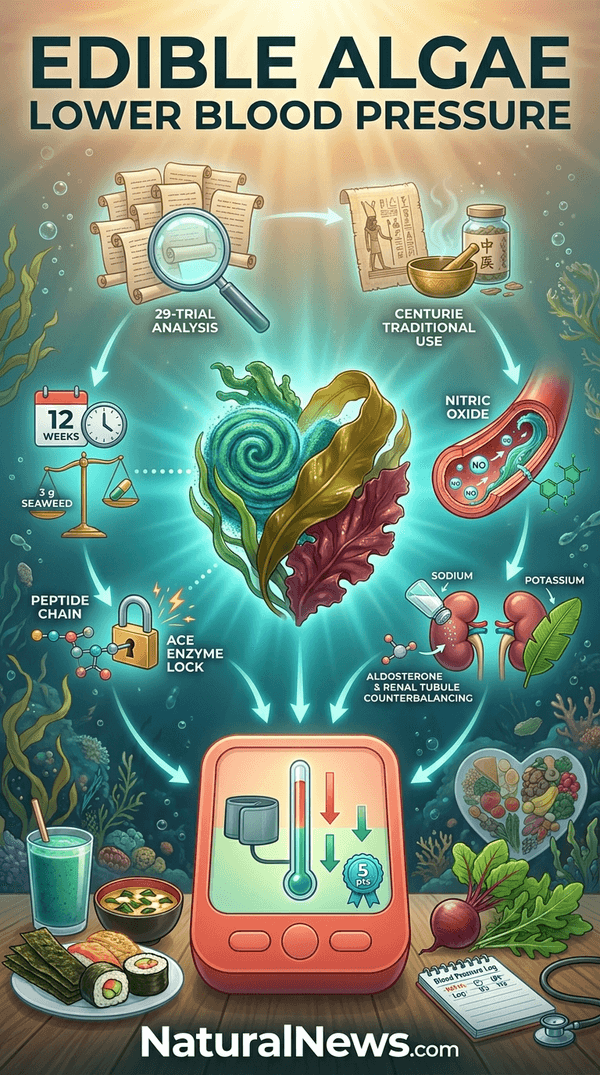
Researchers based in the United Kingdom and Spain conducted the analysis, which appeared in the Journal of Human Nutrition and Dietetics in July 2025. Systolic blood pressure, the top number in a reading, fell by an average of 2 points, and diastolic pressure, the bottom number, fell by nearly 2 points. The report stated that the benefit was larger among participants with elevated blood pressure at the start of the trials.
Edible algae have a history of use as food and traditional medicine. In China and Japan, algae have been used as medication for hundreds of years, according to Lisette Kreischer and Marcel Schuttelaar in “Ocean Greens” [1]. Earlier reporting also linked seaweed consumption to lower blood pressure [2].
Study Scope and Methods
The analysis combined results from 29 randomized controlled trials and compared blood pressure changes in adults who consumed edible algae with those who did not, according to the report. The algae types studied included nori, kelp and spirulina.
In the trials, whole algae were given as a powder or as a food rather than as isolated extracts, the report stated. According to the report, the analysis pooled data across trials that varied in algae type and dosage.
Edible seaweeds are classified by pigment, structure and other traits, with common groups including green, brown and red algae, according to a NaturalNews.com article [3]. Algae contain a range of minerals and nutrients.
Kelp contains iodine, potassium, and sodium, according to Adriane Fugh-Berman in “The 5-minute herb and dietary supplement consult” [4]. Whole edible seaweed also provides calcium, vitamin C, iodine, and antioxidants, according to Susannah Blake in “Natural superfoods” [5].
Blood Pressure Reductions and Spirulina Findings
Across all algae types, systolic pressure fell by about 2 points and diastolic pressure by nearly 2 points, according to the report. The spirulina subgroup produced the strongest reductions. Systolic pressure fell by more than 5 points and diastolic pressure by nearly 4 points in the spirulina groups, an effect the report described as comparable to some blood pressure medications in mild cases. Earlier research has also associated spirulina with lower blood pressure, according to a NaturalNews.com article [6].
The report stated that consuming more than 3 grams of algae daily for at least 12 weeks produced the clearest results. It also stated that whole algae consistently outperformed algae extracts across the trials, suggesting that the whole food contains components not present in isolated extracts.
Whole Algae vs. Extracts and Possible Mechanisms
The report identified several compounds in edible algae that may contribute to the observed effect, including potassium, antioxidant pigments, peptides, and naturally occurring nitrates. It noted that nori and kelp carry nitrates, the same type of compounds linked to improved blood flow in leafy greens.
Leafy greens lower blood pressure through dietary nitrate, which converts to nitric oxide and relaxes and widens blood vessels, according to a NaturalNews.com analysis [7]. Spinach has also been shown to lower blood pressure through multiple nutrient pathways, according to a separate report [8].
Spirulina contains phycocyanin, a blue pigment that the report said may help blood vessels relax. Chlorophyll – found in green foods such as spirulina, chlorella and kelp – is also cited as important in natural health literature [9].
The report’s authors hypothesized that multiple compounds act together rather than a single active ingredient, relaxing blood vessels while supporting the kidneys’ ability to manage sodium. The kidneys regulate sodium and potassium balance, a process in which aldosterone directs the kidneys to conserve sodium and release potassium, according to J Housley in “The Encyclopedia of Nutrition and Good Health” [10].
Dietary Context and Practical Reporting Considerations
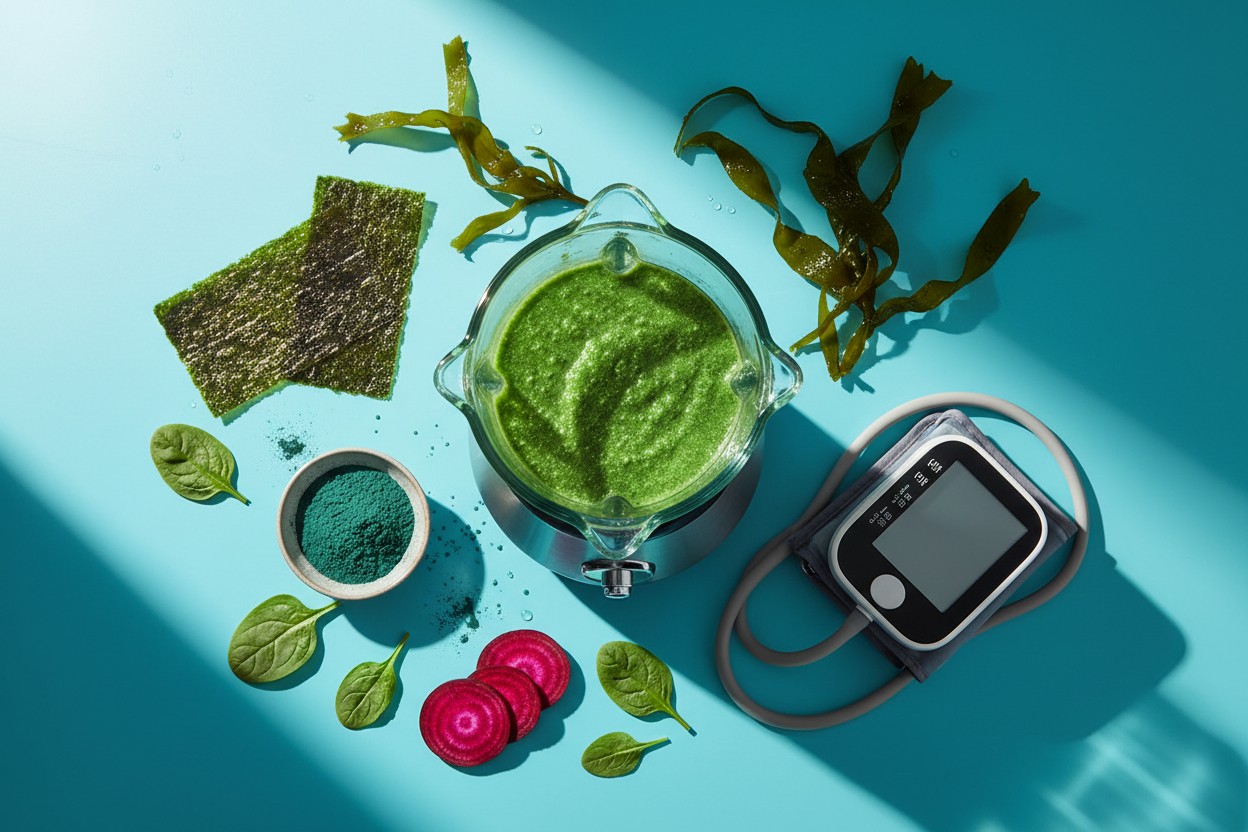
The report offered practical ways to include algae in the diet. Spirulina powder can be blended into smoothies, and dried nori sheets can be eaten as snacks or crumbled over rice and salads, according to the report.
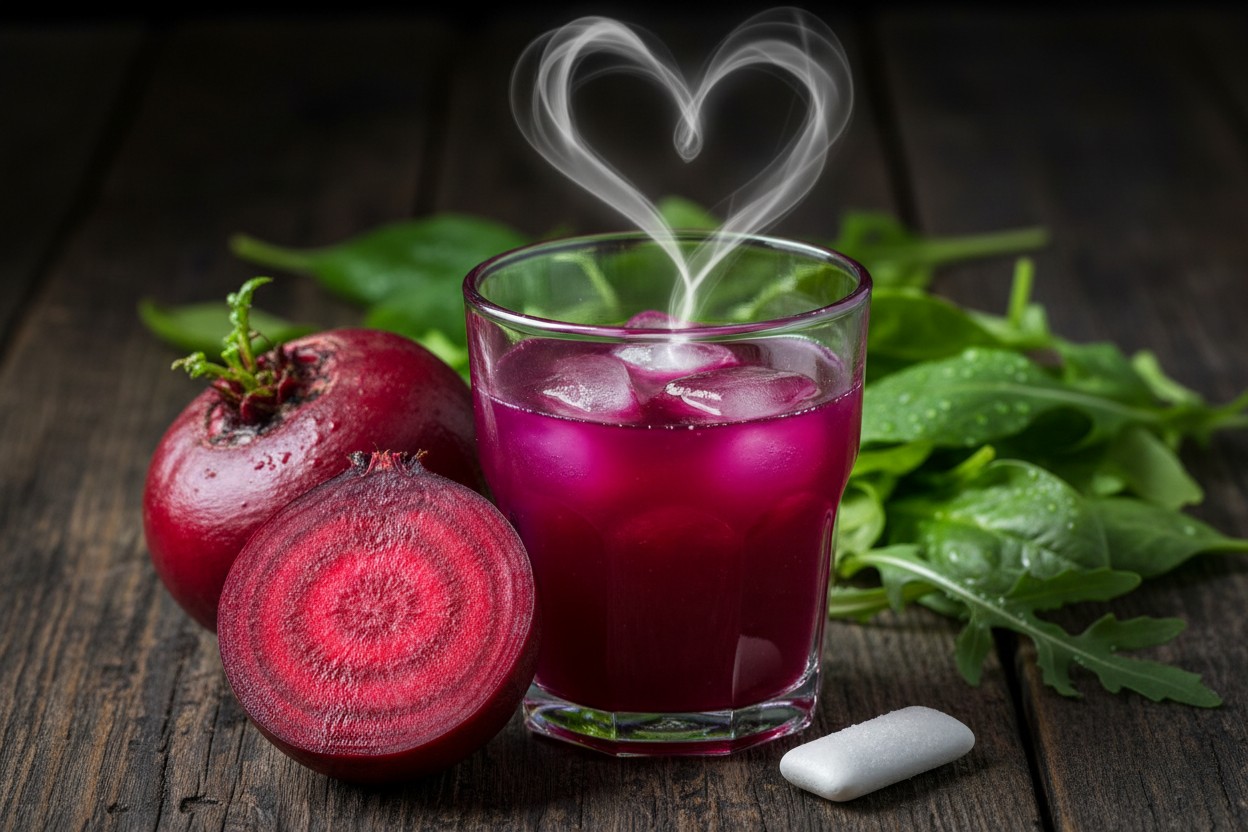
Smoothies can be personalized with nutrient-dense ingredients to support fitness and nutrition goals, according to a NaturalNews.com article [11]. The report also suggested combining algae with other nitrate-rich vegetables such as beets, spinach and arugula to support blood flow through multiple pathways.
The report recommended tracking blood pressure at home at the same time each day over a 12-week period, the timeframe that produced results in the analyzed trials. Individuals taking prescribed blood pressure medication should consult a clinician before making dietary changes that affect their treatment. Dietary patterns that emphasize whole foods, such as the Dietary Approaches to Stop Hypertension (DASH) diet, have been shown to reduce blood pressure in multiple studies [12].
Conclusion
Across the trials, whole edible algae were associated with lower systolic and diastolic blood pressure, with the largest reductions reported in the spirulina subgroup and in trials using more than 3 grams daily for at least 12 weeks. The report said the effect was larger among participants with elevated blood pressure. It also said whole algae outperformed extracts, pointing to a combination of compounds rather than a single active ingredient.
The report said the findings do not replace prescribed medication and recommended using algae as part of a broader dietary pattern. Dietary patterns such as the DASH diet have been shown to reduce blood pressure in multiple studies [12]. The report also recommended home blood pressure monitoring over 12 weeks to allow individuals to assess changes in their own readings.
References
- Lisette Kreischer, Marcel Schuttelaar. “Ocean Greens”.
- Mercola.com. “Seaweed Salad Lowers Blood Pressure”. Mercola.com. November 25, 2019.
- NaturalNews.com. “8 Reasons we should all be eating seaweed”. NaturalNews.com. June 10, 2020.
- Adriane Fugh-Berman. “The 5-minute herb and dietary supplement consult”.
- Susannah Blake. “Natural superfoods: 150 nutrient-packed recipes for complete health vitality and healing”.
- NaturalNews.com. “Research finds spirulina lowers blood pressure”. NaturalNews.com. May 31, 2019.
- NaturalNews.com. “Leafy Greens Consumption Linked to Lower Blood Pressure, Studies Show”. NaturalNews.com. July 4, 2026.
- NaturalNews.com. “Spinach shown to lower blood pressure naturally through multiple nutrient pathways”. NaturalNews.com. May 20, 2026.
- Chrystle Fiedler. “The complete idiot’s guide to natural remedies”.
- J Housley. “The Encyclopedia of Nutrition and Good Health”.
- NaturalNews.com. “9 Superfood powders to use if you want to make super smoothies”. NaturalNews.com. November 21, 2019.
- NaturalNews.com. “Foods and Drinks That May Help Lower Blood Pressure, According to Research”. NaturalNews.com. July 1, 2026.
Explainer Infographic
Submit a correction >>
Tagged Under:
blood pressure, brown seaweed, cardiovascular health, food cures, food is medicine, green seaweed, Heart, heart disease, heart health, hypertension, natural cures, natural medicine, natural remedies, nori, prevention, red seaweed, remedies, research, reverse heart disease, sea kelp, seaweed, spirulina, supplements
This article may contain statements that reflect the opinion of the author
RECENT NEWS & ARTICLES